The Impact of Trump’s ‘America First’ Trade Policy on Global Trade
Introduction to ‘America First’ Trade Policy
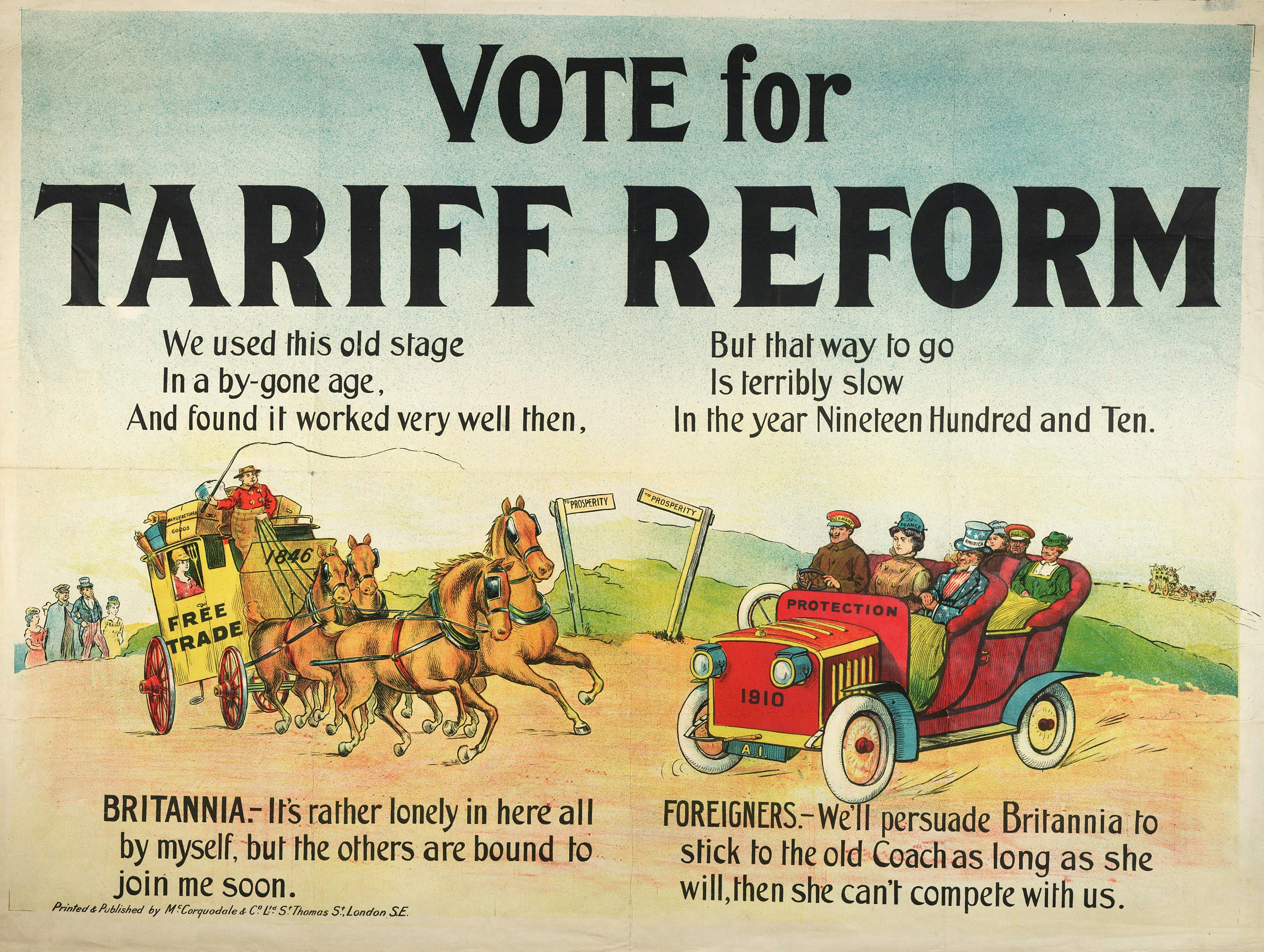
President Trump’s administration marked a significant shift in the United States’ approach to global trade, defined by the slogan ‘America First.’ This policy was designed to prioritize American interests over global cooperation, fundamentally reshaping international trade dynamics.
Increasing Tariffs and Their Ramifications
One of the most notable aspects of Trump’s trade policy was the substantial increase in tariffs on imported goods. By imposing these tariffs, the Trump administration aimed to protect American manufacturers from foreign competition, especially from countries like China. However, this move caused a ripple effect in the global market, leading to increased costs for consumers and businesses alike. The implementation of tariffs not only raised prices but also forced several industries to reassess their supply chains and sourcing strategies.
Pressuring International Supply Chains
The increased tariffs under Trump’s ‘America First’ stance placed immense pressure on international supply chains. Companies had to navigate a complex landscape of tariffs and trade restrictions, prompting many to consider relocating their operations or suppliers to mitigate costs. This shift has led to a re-evaluation of how businesses engage with global trade, as they face the dual challenge of maintaining competitiveness while adhering to new trade barriers.
The legacy of Trump’s trade policy continues to influence global trade dynamics, underscoring the importance of understanding how national policies can reshape international commerce. As nations adapt to this new trade environment, the repercussions of the ‘America First’ approach will be felt for years to come.